metaverse casinos
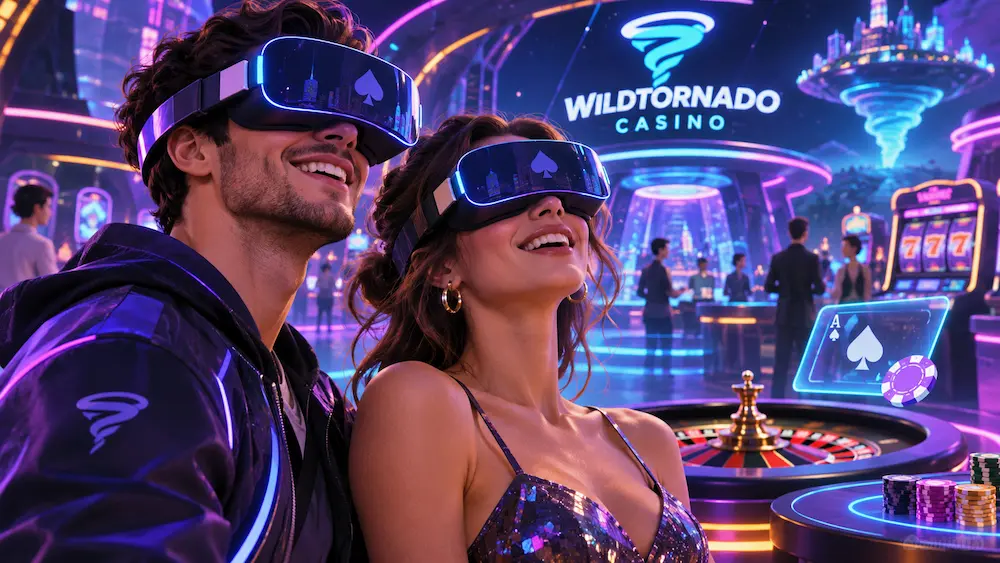
A few years ago, the metaverse was expected to revolutionize everything from shopping and entertainment to social interaction and online gambling. Virtual worlds promised digital casinos where players could walk through luxurious halls, interact with other visitors, and experience casino games through realistic avatars.
But as the initial excitement faded, an important question emerged: are metaverse casinos a forgotten technological experiment, or could they still become the future of online gambling?
Let’s explore how virtual casinos work, why the early hype slowed down, and what their development could mean for the gaming industry.
What Is a Metaverse Casino?
A metaverse casino is a virtual gambling environment where users can explore digital spaces and participate in casino-style activities through personalized avatars.
Unlike traditional online casinos, which operate primarily through websites and mobile applications, metaverse casinos attempt to recreate the atmosphere of physical gambling establishments.
Depending on the platform, visitors may be able to:
- Walk through interactive casino environments.
- Communicate with other players using avatars.
- Participate in virtual poker, roulette, and blackjack.
- Attend digital events and tournaments.
- Customize their virtual appearance.
- Use cryptocurrencies or other supported payment methods.
Some environments can be accessed directly through a browser, while others support virtual reality headsets.
However, not every virtual casino offers real-money gambling. Some platforms focus on entertainment, simulated games, or virtual rewards instead.
How Do Casinos in the Metaverse Work?
Metaverse gambling combines several technologies to create an interactive gaming experience.
1. Virtual Reality and 3D Environments
Virtual reality technology allows users to experience digital casino spaces from a first-person perspective.
Instead of clicking buttons on a conventional interface, players may navigate virtual gaming floors and interact with digital objects.
For example, a virtual poker table could allow participants to observe other avatars, communicate during gameplay, and experience a more social environment.
2. Blockchain and Cryptocurrency
Some metaverse casinos integrate blockchain technology to support digital ownership, cryptocurrency transactions, and virtual economies.
Blockchain may be used to record certain transactions or manage digital assets.
However, blockchain integration does not automatically guarantee fair games, secure payments, or regulatory compliance. Those characteristics depend on the platform’s actual technical implementation and oversight.
3. Digital Avatars and Social Interaction
One of the defining features of metaverse gaming is the ability to interact with other participants.
Players can create avatars, enter shared environments, and communicate with other visitors.
This social element attempts to recreate an aspect of traditional casinos that ordinary online gambling websites cannot fully reproduce.
4. Smart Contracts and Virtual Assets
Some blockchain-based platforms use smart contracts to automate specific transactions and manage digital assets.
Virtual clothing, accessories, and other collectibles may also be integrated into the gaming environment.
Nevertheless, purchasing a digital asset does not necessarily provide ownership of casino operations or guarantee financial returns.
Why Did the Metaverse Casino Trend Lose Momentum?
Despite considerable attention, metaverse casinos have not become the dominant format for online gambling.
Several important challenges help explain why.
Expensive Hardware
High-quality virtual reality equipment can be expensive, creating an additional barrier for potential users.
Traditional online casinos are much easier to access because most people already own a smartphone or computer.
Limited Mainstream Adoption
Virtual reality remains a relatively specialized form of digital entertainment.
Although immersive technology continues to improve, many consumers prefer convenient mobile experiences that do not require additional equipment.
Complicated User Experience
Traditional online gambling platforms prioritize quick navigation and convenient access to games.
Metaverse environments often require additional steps, including avatar creation, platform registration, virtual navigation, and sometimes cryptocurrency wallet configuration.
For casual users, these features can make the experience unnecessarily complicated.
Regulatory Uncertainty
Real-money gambling is subject to licensing and legal requirements that vary between jurisdictions.
Operating inside a virtual world does not exempt a casino from applicable gambling regulations.
Identity verification, age restrictions, payment compliance, and responsible gambling protections remain essential considerations.
Security and Privacy Concerns
Metaverse platforms may introduce additional risks involving cryptocurrency wallets, virtual assets, identity theft, and user data.
The immersive nature of virtual reality can also make it harder for some users to monitor their spending and playing time.
Real Examples of Metaverse Casino Projects
One notable example is Decentral Games, which developed casino-style experiences within the Decentraland virtual world.
Its ICE Poker ecosystem combined multiplayer poker, customizable avatars, digital wearables, and blockchain-related rewards.
The project demonstrated how virtual environments could attract users through social interaction rather than simply reproducing traditional casino interfaces.
Research published in 2025 also highlighted the important role played by ICE Poker activities in Decentraland’s historical user engagement.
These experiments show that metaverse gambling can generate interest within virtual communities, but success within one virtual world does not necessarily indicate widespread adoption across the gambling industry.
Metaverse Casinos vs Traditional Online Casinos
Although both formats involve digital gaming, the experience can be substantially different.
| Feature | Traditional Online Casino | Metaverse Casino |
|---|---|---|
| Accessibility | Browser or mobile app | Browser, desktop client, or VR |
| User interface | Standard website or application | Interactive 3D environment |
| Social interaction | Live chat and multiplayer games | Avatars and shared virtual spaces |
| Hardware | Smartphone or computer | Sometimes requires VR equipment |
| Payments | Supported fiat and crypto options | Platform-dependent digital payments |
| User experience | Fast and convenient | More immersive but potentially complex |
Traditional online casinos currently offer a simpler way to access digital gambling entertainment.
Metaverse casinos, meanwhile, focus on creating a social and immersive experience that goes beyond conventional gaming interfaces.
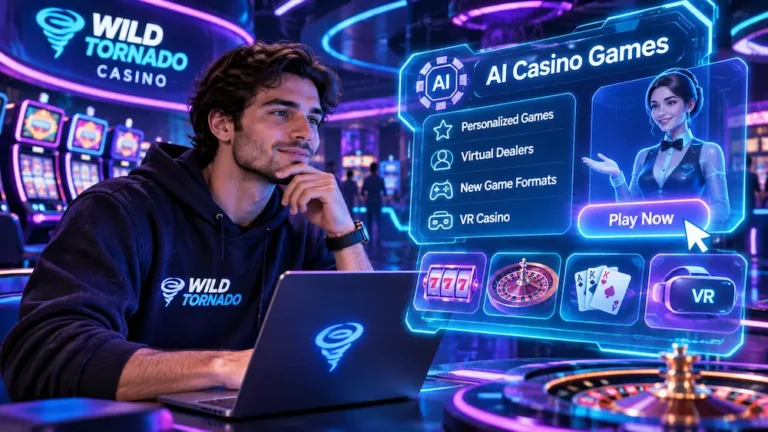
Could Artificial Intelligence Revive Metaverse Gambling?
Artificial intelligence may become an important component of future virtual casino environments.
AI-powered systems could help develop more realistic digital characters, improve navigation, provide multilingual assistance, and create personalized entertainment environments.
For example, virtual casino assistants might explain game rules, guide visitors through digital spaces, or help users locate specific games.
AI could also support responsible gambling systems by identifying potentially harmful patterns and providing appropriate warnings.
However, personalization must be designed carefully to avoid encouraging excessive gambling or exploiting vulnerable users.
The Future of Online Gambling: VR, Mobile, or Both?
The future of online gambling may not require a choice between traditional websites and fully immersive virtual worlds.
Instead, different technologies could evolve together.
Mobile gaming is likely to remain important because of its convenience, accessibility, and familiar user experience.
Meanwhile, selected features from metaverse technology could gradually appear in conventional casino platforms.
These might include:
- Interactive 3D casino lobbies.
- Improved multiplayer gaming environments.
- Virtual social events.
- More realistic live casino interfaces.
- Optional augmented reality experiences.
- AI-powered virtual customer support.
These possibilities suggest that the influence of the metaverse might become visible through individual features rather than a complete replacement of existing platforms.
What Does This Mean for WildTornado Casino Players?
At WildTornado Casino, players can explore online casino entertainment through familiar digital interfaces.
The broader development of metaverse technology offers an interesting perspective on how casino experiences might evolve.
Future online gambling platforms could incorporate more interactive environments, advanced personalization, and enhanced social features without requiring players to enter a fully virtual world.
For now, accessibility, transparent game information, security, and responsible gambling tools remain more important than immersive graphics alone.
Conclusion: Forgotten Trend or Future Opportunity?
Metaverse casinos are not necessarily a forgotten trend, but they have not yet delivered the transformation once predicted.
Their development faces substantial challenges, including equipment costs, limited mainstream adoption, regulatory requirements, and complicated user experiences.
Nevertheless, virtual environments have demonstrated interesting possibilities for social interaction and immersive entertainment.
The most realistic future may involve combining selected metaverse features with the accessibility of conventional online casino platforms.
Rather than replacing online casinos entirely, metaverse technology could gradually influence how digital gambling experiences are designed.
Ultimately, the success of any future casino format will depend not only on technological innovation but also on player safety, convenience, transparency, and responsible gaming.
Gambling involves financial risk. Play responsibly, follow applicable local laws, and never gamble with money you cannot afford to lose.
Frequently Asked Questions About Metaverse Casinos
What is a metaverse casino?
A metaverse casino is a virtual environment where users
can explore digital gaming spaces, interact through
avatars, and participate in casino-style activities.
Some platforms offer real-money gambling, while
others focus on entertainment or virtual rewards.
Are metaverse casinos real-money casinos?
Some metaverse casinos support real-money gambling,
while others use virtual currencies or simulated
games. The available options depend on the platform,
its licensing, and local gambling regulations.
Do you need a VR headset to play in a metaverse casino?
Not always. Some metaverse casinos are accessible
through desktop browsers or applications. VR
headsets may provide a more immersive experience,
but they are not required by every platform.
Are metaverse casinos safe?
Safety depends on the operator’s licensing,
security practices, game integrity, payment
protections, and responsible gambling measures.
Virtual reality and blockchain technology alone
do not guarantee safety.
Will metaverse casinos replace online casinos?
There is no clear evidence that metaverse casinos
will replace traditional online casinos. A more
likely possibility is that immersive technology
will complement existing websites and mobile
gambling platforms.
Can cryptocurrency be used in metaverse casinos?
Some metaverse casino platforms support
cryptocurrency payments or blockchain-based
rewards. Accepted currencies and payment
methods vary, and transactions may involve
additional financial and security risks.
Author

 I am the Director of a company that specializes in providing a range of services including marketing analytics, web design, email marketing, content creation, and graphic design. With over 13 years of experience in analytics and marketing, I have successfully managed teams and developed strategies that cater to various client needs. My role involves overseeing projects, ensuring quality service delivery, and driving business growth through effective marketing solutions.

 I am the Director of a company that specializes in providing a range of services including marketing analytics, web design, email marketing, content creation, and graphic design. With over 13 years of experience in analytics and marketing, I have successfully managed teams and developed strategies that cater to various client needs. My role involves overseeing projects, ensuring quality service delivery, and driving business growth through effective marketing solutions.